Pay-Per-Mile Car Insurance Explained: How to Save Big on Low Mileage
Traditional vehicle policies force every driver to pay a flat monthly premium regardless of how often they drive. Consequently, a commuter who drives thirty thousand miles every year pays rates based on similar formulas as someone who drives three thousand miles. If you work remotely, drive short distances, or use public transit, paying flat insurance rates often means overpaying for risk you never generate. Fortunately, modern technology has introduced a more equitable solution.
By switching to pay-per-mile car insurance, low-mileage drivers can align their operational costs directly with their actual road usage. Instead of charging fixed rates, usage-based insurance tracks your driving distance to generate personalized monthly bills. Therefore, you only pay for the exact miles you drive.
This detailed guide explains how pay-per-mile insurance works, who benefits most, and how you can adopt this flexible policy structure to lower your auto costs.
What Is Pay-Per-Mile Car Insurance?
Pay-per-mile coverage is a specialized auto policy structure that calculates your monthly premium using two distinct financial components. First, you pay a low, flat monthly base rate that keeps your vehicle continuously insured against theft, vandalism, and weather damage while parked. Second, you pay a small per-mile rate for every mile you physically drive on public roads.
Because the base rate protects your parked vehicle, your policy maintains legal protection around the clock. Meanwhile, the variable per-mile rate adjusts automatically based on your monthly odometer total.
A Practical Math Example
For instance, suppose your provider assigns you a base rate of $30 per month and a variable rate of $0.06 per mile. If you drive only 300 miles during a quiet work month, your total variable driving cost equals $18. Consequently, adding your variable fee to your base rate brings your total monthly insurance bill to just $48.
Conversely, a traditional flat-rate policy for that same vehicle might cost $140 per month. Therefore, switching to mileage tracking produces immediate, noticeable savings for light drivers.
How Usage-Based Telematics Track Your Mileage
Insurance companies rely on modern digital tools to track your driving distance accurately. As a result, setup processes are simple, automated, and user-friendly for policyholders.
1. OBD-II Diagnostic Devices
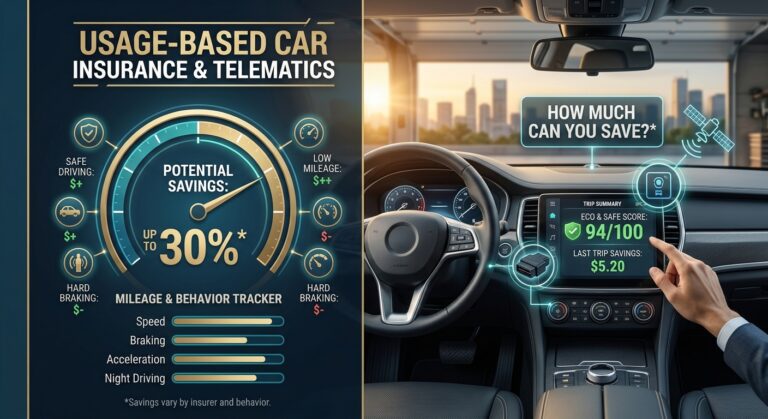
Most major insurance providers send you a small device that plugs into your vehicle’s OBD-II port under the dashboard. This hardware automatically counts your miles and transmits trip summaries directly to your secure user account dashboard.
2. Smartphone Tracking Applications
Alternatively, some providers utilize specialized mobile applications. These apps leverage your phone’s internal sensors to detect when you are driving, logging your trip distances automatically without extra hardware.
3. Native Connected Car Integration
Modern connected vehicles can transmit odometer data directly from the automobile’s built-in software. Therefore, drivers of newer models often activate mileage tracking instantly without downloading apps or installing physical hardware.
If you are exploring broader ways to trim your vehicle expenses beyond tracking miles, review our practical guide on 10 proven tricks to lower your car insurance payments easily for additional cost-cutting strategies.
Who Saves the Most Money with Mileage-Based Policies?
While mileage tracking provides incredible value for specific lifestyles, it is not designed for every driver. Consequently, identifying your annual driving habits is crucial before switching policy structures.
Remote Workers and Hybrid Employees
If you work from home, your vehicle stays parked in your driveway for most of the week. Therefore, paying high premiums for a non-existent daily commute wastes money. Switching to mileage tracking keeps your fixed overhead minimal.
College Students with Short Commutes
University students living near campus grounds rarely drive long distances during term time. Young drivers can combine low annual mileage with our recommendations for finding the best car insurance for young drivers to slash high baseline youth rates.
Households with Secondary Leisure Cars
Many families maintain a secondary truck or weekend convertible that sits in the garage for long periods. Applying pay-per-mile coverage to secondary vehicles keeps them legally protected without incurring full-time monthly costs.
Traditional Rates vs. Pay-Per-Mile Cost Comparison
To see how driving volume affects your annual insurance spending, evaluate the comparative data table below. The numbers highlight how savings shrink as your annual driving distance increases.
| Annual Miles Driven | Average Traditional Policy Cost | Average Pay-Per-Mile Policy Cost | Net Annual Difference / Savings |
| 2,500 Miles / Year | $1,680 / year | $660 / year | Save $1,020 / year |
| 5,000 Miles / Year | $1,680 / year | $840 / year | Save $840 / year |
| 7,500 Miles / Year | $1,680 / year | $1,140 / year | Save $540 / year |
| 10,000 Miles / Year | $1,680 / year | $1,560 / year | Save $120 / year |
| 12,000+ Miles / Year | $1,680 / year | $1,850+ / year | Traditional Policy Is Cheaper |
Note: Estimates assume a standard $35 base monthly rate plus $0.06 per mile driven, compared against national average flat-rate full coverage policies.
Evaluating the Pros and Cons of Pay-Per-Mile Coverage
Before changing your policy framework, you must weigh the operational advantages against potential lifestyle limitations.
Key Advantages
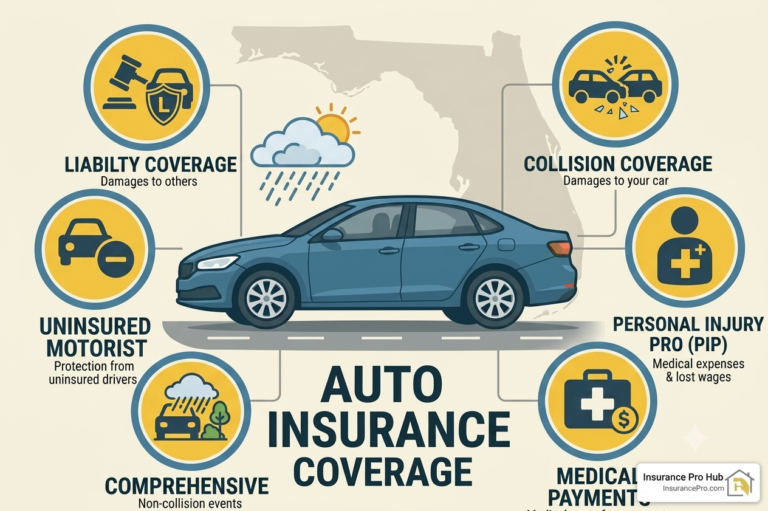
First, pay-per-mile insurance gives you complete direct control over your monthly expenses. If you want to cut your bills during a tight month, you can choose to drive less. Second, you do not sacrifice protection quality. You retain access to essential comprehensive and collision coverage while paying less.
Furthermore, you can combine low-mileage tracking with standard savings options found on an exhaustive car insurance discounts list, such as paperless billing and safe driver incentives.
Potential Disadvantages
However, there are clear trade-offs to consider. If your job situation changes and your commute increases unexpectedly, your insurance bill will rise proportionally. Furthermore, drivers who enjoy spontaneous long-distance road trips might feel constrained by per-mile meters running in the background.
Top Pay-Per-Mile Insurance Providers Reviewed
Several major national insurance corporations now offer dedicated usage-based policy options across most states.
Metromile (by Lemonade)
Metromile is a pioneer in the mileage-tracking industry. The provider offers low baseline rates and automated tracking features through a sleek smartphone application. Furthermore, Metromile caps daily charges at 250 miles per day, ensuring that long weekend road trips do not create massive bill spikes.
Allstate Milewise®
Allstate offers Milewise®, a program that lets drivers choose between flexible daily billing or monthly invoicing. The application provides real-time trip feedback, helping users monitor both their mileage and driving safety scores simultaneously.
Nationwide SmartMiles®
Nationwide’s SmartMiles® platform offers identical policy coverages as their traditional plans but structures payments around actual usage. Additionally, Nationwide provides up to a 10% discount for safe driving behaviors logged by their tracking technology.
To verify consumer satisfaction ratings and state regulatory compliance for these carriers, explore the public archives managed by the National Association of Insurance Commissioners (NAIC).
How to Switch to Pay-Per-Mile Coverage Safely
If you decide that usage-based insurance matches your lifestyle, executing your policy change requires careful timing. Follow these straightforward steps to avoid administrative mistakes:
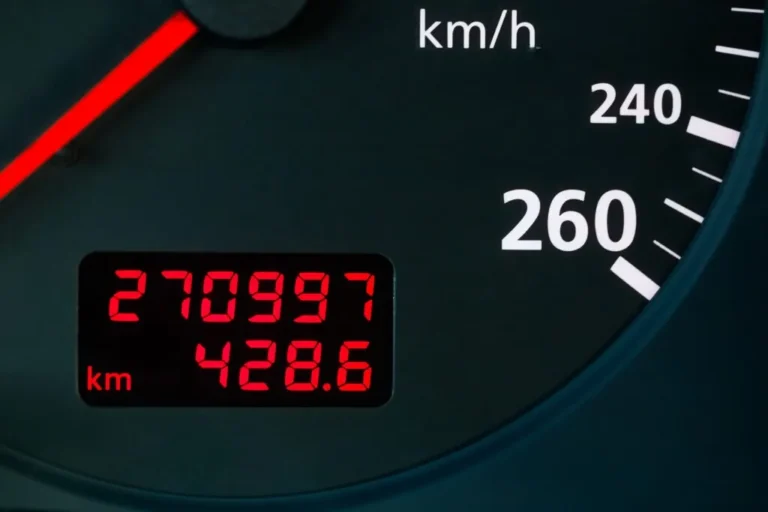
- Calculate Your Actual Mileage: Review your vehicle’s odometer records over the last three months to verify that your annual driving volume is truly under eight thousand miles.
- Compare Coverage Options: Ensure your prospective usage-based plan maintains adequate liability and damage coverage tiers. Learn more about selecting appropriate limits in our guide detailing how to choose car insurance coverage.
- Prevent Coverage Lapses: Always set your new policy’s start date before terminating your old policy. Review our step-by-step instructions on how to switch car insurance companies to transition without legal gaps or state fines.
- Install the Tracking Hardware: Once your new policy arrives, plug in your OBD-II device immediately to activate your rate discounts.
Frequently Asked Questions (FAQs)
Does pay-per-mile insurance track my exact location?
Tracking mechanisms vary by provider. Some basic OBD-II devices only log the total distance driven and time of day. However, app-based platforms may utilize GPS data to offer trip mapping and road hazard alerts. If location privacy is a priority for you, select a provider that offers hardware devices without active GPS location tracking.
What happens if I take a multi-day cross-country road trip?
Most top pay-per-mile providers include daily mileage caps. For example, a company might cap your charges at 250 miles per day. Therefore, if you drive 600 miles in a single day during a highway road trip, you are only billed for the first 250 miles.
Will hard braking make my pay-per-mile insurance rates go up?
Pure pay-per-mile insurance plans only charge for distance, not driving style. However, hybrid usage-based policies (such as behavior-tracking telematics) do evaluate hard braking, rapid acceleration, and cornering speeds. Always confirm whether your prospective policy tracks mileage alone or driving behavior as well.
Summary Checklist for Low-Mileage Drivers
To determine if pay-per-mile insurance is the right financial choice for your vehicle, run through this quick evaluation list:
- Check Odometer Total: Do you drive fewer than 8,000 total miles per year?
- Verify Commute Status: Do you work remotely or commute primarily via public transport?
- Confirm Device Compatibility: Does your car feature a standard OBD-II diagnostic port (models 1996 and newer)?
- Review Daily Road Caps: Does your chosen carrier offer daily billing caps for long highway trips?
By matching your auto policy structure directly to your lifestyle, you can eliminate wasted insurance spending and keep hundreds of dollars in your bank account every year.