What to Do Immediately After a Car Accident: Step-by-Step Guide
One second you’re listening to your favorite playlist, and the next, there’s a deafening crunch of metal, the smell of deployed airbags, and your heart is hammering against your ribs. Car accidents are terrifying. In the immediate aftermath, a massive rush of adrenaline floods your system, making it nearly impossible to think straight.
Unfortunately, what you do (and crucially, what you say) in the first 15 minutes following a collision can completely make or break your insurance claim later. Insurance adjusters and opposing lawyers scrutinize every detail of the accident scene. If you panic and make critical mistakes, you could end up footing the bill for an accident you didn’t even cause.
You don’t need a law degree to protect yourself, but you do need a battle plan. Here is the exact, step-by-step playbook of what to do immediately after a car accident to stay safe, secure your legal rights, and set yourself up for a smooth insurance payout.
Accident Scene Executive Summary
- Safety First: Move out of active traffic if possible, turn on hazard lights, and check everyone for injuries.
- Never Admit Fault: Exchange insurance details politely, but never say «I’m sorry» or «It was my fault.»
- Document Everything: Take wide-angle and close-up photos of vehicle damage, road signs, skid marks, and license plates.
- Call the Police: Always request an official police report, even for minor fender benders.
Phase 1: The First 60 Seconds (Safety & Securing the Scene)
Your absolute priority the millisecond a crash occurs has nothing to do with insurance policies or repair bills. It is about human safety.
1. Stop and Stay Put
No matter how minor the collision feels—even if you just tapped someone’s bumper rolling out of a grocery store parking lot—never drive away. Leaving the scene of an accident, even a minor one, can be classified as a hit-and-run, resulting in severe criminal charges, heavy fines, and immediate license suspension.
2. Assess Injuries and Move to Safety
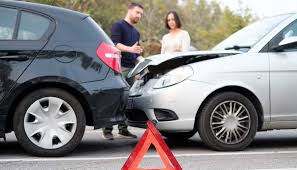
Take a deep breath and check yourself and your passengers for injuries. If your car is drivable and trapped in the middle of a high-speed highway or busy intersection, do not leave it blocking traffic if you can safely move it. Pull over to the nearest shoulder, breakdown lane, or safe parking lot.
If the vehicles are severely disabled and cannot be moved, leave them where they are, turn on your hazard lights immediately, and set up emergency flares or triangles if you have them.
3. Call 911 (Always)
Even if nobody is bleeding and the damage looks cosmetic, call 911. You need emergency personnel to secure the scene, and more importantly, you need a police officer to generate an Official Accident Report.
Many drivers make the mistake of agreeing with the other person to «handle this without the insurance companies» to save on rates. Two hours later, the other driver changes their story, blocks your number, and claims you caused the crash. Without a police report on file, your insurance adjuster has zero official evidence to back up your version of events.
Phase 2: Information Gathering (The Evidence Vault)
Once emergency services are en route and everyone is safe, it’s time to collect evidence. Think of yourself as an investigative reporter. Your smartphone is your most powerful tool right now.
+------------------------------------------------------------------------+
|                      CRASH SCENE CHECKLIST                             |
+------------------------------------------------------------------------+
|  [ ] Driver Info: License, insurance card, phone number, license plate |
|  [ ] Scene Photos: Wide shots of intersection, traffic lights, skid marks|
|  [ ] Damage Photos: Close-ups of both vehicles' impact zones            |
|  [ ] Police Details: Officer's name, badge number, and report number   |
|  [ ] Witness Contacts: Names and phone numbers of neutral bystanders   |
+------------------------------------------------------------------------+
1. Exchange Contact and Insurance Info
Politely request the other driver’s information. Do not rely on looking at their insurance card from a distance—take a clear photo of their physical insurance card and their driver’s license with your phone.
Make sure to collect:
- Full legal name and current phone number.
- Insurance carrier name and exact policy number.
- Vehicle make, model, year, and license plate number.
- The name of the vehicle’s registered owner (in case they are driving someone else’s car).
2. Photograph the Entire Scene Comprehensively
Insurers settle claims based on physical evidence. Take dozens of photos before any vehicles are moved.
- Wide-Angle Shots: Capture the overall layout of the intersection, street signs, traffic lights, and weather conditions.
- Impact Zones: Take close-up photos of every scratch, dent, and shattered light on both your car and the other vehicle.
- Skid Marks and Debris: Photograph tire marks on the asphalt and scattered car parts, as these prove braking distances and point of impact.
3. Secure Witness Statements
If a neutral bystander stopped to check on you, politely ask if they saw what happened. If they did, ask for their phone number. An independent witness statement carries immense weight with insurance adjusters and can instantly dismantle a dishonest driver’s false claims.
Phase 3: What NOT to Say or Do (Crucial Pitfalls)
Adrenaline makes people talkative. People often ramble, apologize unnecessarily, or speculate wildly out of nervousness. In a car accident, your words can be used directly against you by insurance adjusters.
The Golden Rule of Accident Dialogue: Be polite, be cooperative, but share zero speculation about fault or injuries. Exchange documents in silence if necessary.
1. Never Say «I’m Sorry»
Even if you are naturally polite and say «I’m so sorry» out of empathy because the other driver looks shaken up, the insurance company will interpret that apology as an admission of legal guilt. Let the physical evidence and the police report determine fault.
2. Never Admit Fault at the Scene
Do not argue with the other driver, do not debate who had the right of way, and never tell the police officer or the other driver, «It was my fault, I didn’t see them.» Even if you think you caused the crash, hidden factors—like the other driver speeding, texting, or running a hidden stop sign—might mean fault is shared or entirely theirs. Let the adjusters review the data.
3. Beware of Predatory Tow Trucks
If your car is totaled or undrivable, be cautious of random tow truck drivers who show up at the scene uncalled within minutes. Some predatory towing companies hook your car, haul it to an undisclosed impound lot, and charge extortionate daily storage fees that your insurance company may refuse to fully reimburse. Call your insurer or roadside assistance provider (like AAA) to dispatch an approved towing service.
Phase 4: Post-Accident Logistics (Medical Care & Insurance)
The paperwork battle continues even after you leave the accident scene. Managing this phase methodically ensures your health is protected and your financial reimbursement is processed without friction.
1. Seek Immediate Medical Evaluation
Never skip seeing a doctor just because you «feel fine» right after the crash. High levels of adrenaline and endorphins frequently mask severe physical injuries, such as whiplash, concussions, or internal bleeding. Symptoms often do not surface until 24 to 48 hours later.
Visiting an urgent care clinic or emergency room immediately creates an official medical record linking your injuries directly to the car accident. If you wait a week to see a doctor, the insurance company will argue that your injuries happened somewhere else.
2. Notify Your Insurance Provider Promptly
Call your insurance company as soon as you are safe—ideally within 24 hours. You don’t need a massive stack of paperwork ready; just report that an incident occurred and open a formal claim file.
When speaking with your adjuster, stick strictly to the objective facts: Date, time, location, and basic facts of the collision. Do not give a recorded statement while you are still medicated or in shock; you have the right to request time to collect your thoughts before giving a formal statement.
If your car suffered structural damage and you are preparing to file a claim, review our detailed guide on how to file a car insurance claim to streamline the process.
Frequently Asked Questions (FAQs)
Should I call the police if the other driver begs me not to?
Yes, absolutely. No matter how friendly the other driver seems, or how much they plead with you to avoid calling the police because «their rates will go up,» always call 911. Unscrupulous drivers frequently use this tactic to flee the scene or avoid accountability. Protect yourself by insisting on an official police report.
What if the other driver doesn’t have car insurance?
If you are hit by an uninsured driver, your own policy’s Uninsured/Underinsured Motorist (UM/UIM) coverage steps in to pay for your medical bills and vehicle repairs. This is why maintaining robust coverage limits is so vital. To review your current protection levels, check our guide on full coverage vs liability car insurance.
Can I choose my own auto body shop for repairs?
Yes. Insurance companies will often suggest or pressure you to use their «preferred network» of body shops. However, in almost every jurisdiction, you have the absolute legal right to take your vehicle to any licensed, certified repair facility of your choosing.
Action Plan Checklist for Accident Recovery
If you ever find yourself in a collision, run through this mental checklist to keep calm and protect your rights:
- Check Safety: Move to the shoulder, turn on hazards, and check for injuries.
- Call 911: Request medical assistance and an official police report.
- Document Everything: Photograph all vehicle damage, street signs, and exchange insurance cards.
- Keep Quiet on Fault: Be polite, but never apologize or admit liability.
- See a Doctor: Get a medical checkup within 24 hours to document hidden injuries.
- Call Your Insurer: Open your claim file promptly with objective facts.
For additional consumer rights information and state-by-state auto accident regulations, visit the public education portal maintained by the National Association of Insurance Commissioners (NAIC).