What to Do Immediately After a Car Accident: A Step-by-Step Guide
Experiencing a car accident is one of the most stressful events a driver can face on the road. Even a minor fender bender can leave you feeling shaken, anxious, and disoriented. In the immediate aftermath of a collision, adrenaline runs high, which can make it difficult to think clearly. However, the actions you take in the minutes following an accident are critical for your physical safety, your legal protection, and the success of your future insurance claims.
Having a clear, structured plan in mind ensures you handle the situation professionally and protect your interests. Below is a comprehensive, step-by-step guide outlining exactly what you need to do immediately after a car accident occurs.
1. Prioritize Immediate Safety and Check for Injuries
The very first priority after any collision is to ensure the physical safety of everyone involved. Before worrying about vehicle damage, take a deep breath and assess the condition of your own body and any passengers inside your car.
- Check for injuries: Assess yourself and others for visible wounds, pain, or signs of shock. If anyone is seriously hurt, call emergency services immediately.
- Move to a safe location: If the accident is minor and your vehicle is still operational, carefully drive it to the shoulder of the road or a nearby parking lot. Leaving cars in the middle of a high-speed highway creates a severe risk of a secondary collision.
- Turn on hazard lights: Activate your vehicle’s hazard lights instantly to alert oncoming traffic, especially if the accident happens at night or during poor weather conditions.
- Stay inside if unsafe: If the vehicles cannot be moved and you are stranded in a dangerous traffic lane, it is often safer to remain inside the vehicle with your seatbelt fastened until emergency responders arrive on the scene.
2. Contact Emergency Services and Law Enforcement
Even if the collision appears to be a minor incident with no obvious injuries, it is highly recommended to contact local law enforcement to report the accident.
When the police arrive, they will interview all parties involved, evaluate the scene, and create an official accident report. This document acts as an objective, third-party record of the event. Insurance companies heavily rely on official police reports when determining fault and processing claims. If an officer cannot come to the scene because the accident is minor, you should document the incident yourself and file an official report at the nearest police station as soon as possible.
3. Document the Scene and Gather Crucial Evidence
In the digital age, documenting an accident scene thoroughly is easier than ever, and having photographic evidence is invaluable when dealing with claims adjusters. Once you are in a safe position, use your smartphone to capture as much detail as possible.
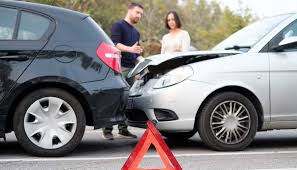
Take clear photographs of both vehicles from multiple angles, showing the exact points of impact and the specific damage caused. Capture wide shots of the entire scene, including skid marks on the road, traffic signs, lane markings, and current weather conditions. These details help piece together how the accident occurred.
Additionally, document the exact time and date of the collision, along with the precise geographic location or intersection where the event took place.
4. Exchange Information Professionally
When interacting with the other driver, maintain a calm, polite, and professional demeanor. Avoid letting emotions dictate the conversation, and remember to exchange all necessary identification and insurance details.
| Required Information | What You Need to Collect |
| Personal Details | Full name, phone number, and current home address. |
| Driver’s License | Driver’s license number and expiration date. |
| Insurance Data | Insurance company name, policy number, and agent contact info. |
| Vehicle Details | License plate number, make, model, year, and color of the car. |
Avoid discussing who caused the accident, and never apologize for the collision at the scene. Statements like «I’m so sorry, I didn’t see you» can be legally interpreted as an admission of fault, which can severely complicate your insurance claim later on. Stick strictly to exchanging facts and info.
5. Seek Medical Evaluation Right Away
It is incredibly common for car accident victims to leave the scene feeling completely fine, only to experience severe pain a day or two later. The intense adrenaline rush triggered by a collision can effectively mask symptoms of injuries like whiplash, internal bruising, or concussions.
Visiting a doctor or urgent care clinic immediately after an accident ensures that any hidden injuries are identified and treated early. From an insurance standpoint, medical records created right after the event establish a direct, undeniable link between the accident and your physical injuries. If you wait weeks to see a doctor, the insurance company may argue that your injuries were caused by something else entirely.
For authoritative guidelines on highway safety protocols, accident prevention statistics, and consumer driving rights, you can consult the official educational resources provided by the National Association of Insurance Commissioners (NAIC).