How Does Full Coverage Car Insurance Work? A Complete Guide
Many drivers assume that buying a full coverage policy means they are 100% protected against every single financial loss on the road. However, «full coverage» is not a specific type of policy you can buy; rather, it is a combination of three essential insurance types. Understanding how these components work together ensures you get the right protection for your vehicle without unexpected surprises during a claim.
The Pillars of Full Coverage Insurance
A standard full coverage policy combines liability, collision, and comprehensive protections into one package. Each layer serves a completely different purpose, protecting both your financial assets and your physical car.
- Liability Insurance: This handles the costs if you cause damage or injuries to others in an accident.
- Collision Insurance: This covers the repair costs for your own vehicle after an accident, whether you hit another car, a guardrail, or a tree.
- Comprehensive Insurance: This protects your vehicle from non-accident damages, such as theft, vandalism, fire, hail, or hitting an animal.
How the Claims Process Works in Real Life
If you experience an incident, knowing how your coverage responds is crucial to getting your repairs paid for quickly. The type of incident determines which part of your policy kicks into gear.
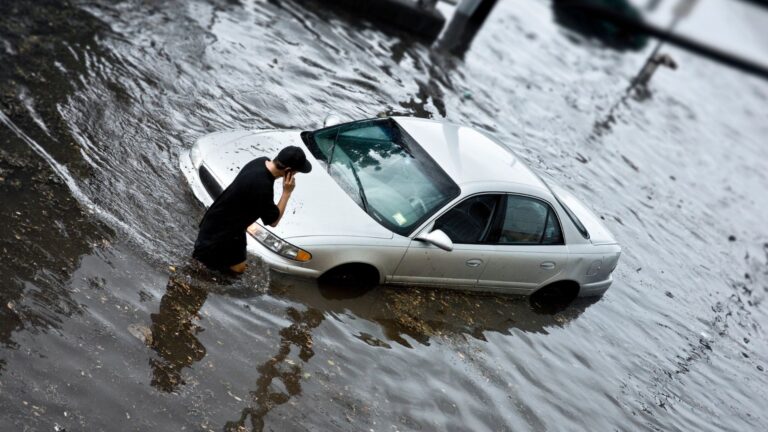
For example, if a heavy storm knocks a tree branch onto your parked car, you will file a claim under your comprehensive coverage. If you lose control on an icy patch of road and slide into a ditch, your collision coverage takes over the repair bills.
Note on Internal Links: [Insert internal link here to: «What Is a Car Insurance Deductible? An Easy Explanation»] to understand the exact amount you will need to pay out of pocket before your full coverage benefits pay for the repairs.
What Full Coverage Does Not Protect Against
While full coverage offers excellent protection, it does not cover absolutely everything. It is a common mistake to think you are fully immune to out-of-pocket costs.
Excluded Incidents and Wear
Full coverage will never pay for regular mechanical breakdowns, engine wear and tear, or flat tires unless they are the direct result of an accident. It also excludes intentional damage or racing incidents.
Financial Gaps on Car Loans
If your vehicle is totaled, full coverage pays out the actual cash value of the car at that moment. If you owe more on your auto loan than what the car is currently worth, standard full coverage will not pay off the remainder of your loan.
Is Full Coverage Right for Your Vehicle?
Deciding whether to pay the higher premium for full coverage depends heavily on your car’s value and your personal budget. If you are leasing or financing your vehicle, your lender will almost certainly require you to maintain full coverage until the loan is fully paid off.
For owners of older vehicles that are bought and paid for, you might want to run the numbers. If your annual full coverage premiums plus your deductible cost more than what your car is worth, dropping down to a basic liability-only policy could save you money in the long run.
For deeper insights into standard insurance regulations, policy terms, and consumer protection rights across the country, you can read the official guidelines provided by the National Association of Insurance Commissioners (NAIC).