High vs. Low Deductible Car Insurance: Which Is Right for You?
Selecting the right auto insurance policy involves balancing monthly premium costs against out-of-pocket financial risk. One of the most effective levers you control when structuring coverage is your deductible amount. Choosing between a high deductible and a low deductible directly determines how much you pay each month and how much you must pay upfront during a claim.
Selecting a higher deductible lowers your monthly bill immediately. However, if an unexpected collision occurs, you must cover a larger sum before insurance coverage kicks in. Conversely, a lower deductible provides peace of mind after an accident but increases your recurring premium payments.
This comprehensive guide breaks down high vs low deductible car insurance, demonstrates how to calculate your break-even timeline, and helps you select the deductible level that aligns with your financial emergency fund.
Deductible Comparison Summary
- What Is a Deductible? The fixed out-of-pocket amount you agree to pay toward vehicle repairs before your insurance carrier pays remaining claim costs.
- High Deductible ($1,000–$2,000): Delivers lower monthly premium rates but requires substantial cash reserves in an emergency savings account.
- Low Deductible ($100–$500): Requires higher recurring premium bills but minimizes out-of-pocket stress following a crash.
- Applicable Coverage Types: Deductibles apply specifically to physical damage coverages (Collision and Comprehensive), not to third-party Liability insurance.
What Is an Auto Insurance Deductible and How Does It Work?
An auto insurance deductible is the pre-selected dollar amount you must contribute toward repairing your vehicle during an approved physical damage claim.
Deductibles apply on a per-claim basis rather than an annual cumulative basis. Therefore, if you suffer two separate accident events in a single year, you must pay your selected deductible amount for each individual claim filing.
Total Vehicle Repair Invoice:    $4,500
Minus Your Policy Deductible:  - $1,000
---------------------------------------
Insurer Claim Payout Check:      $3,500
Which Coverage Types Require a Deductible?
Deductibles apply strictly to physical damage coverages that repair or replace your own automobile:
- Collision Insurance: Pays for physical damage caused by hitting another vehicle, tree, guardrail, or rollover event.
- Comprehensive Insurance: Pays for damage caused by non-collision events, such as vandalism, falling tree branches, hail storms, animal strikes, or theft.
Third-party Liability coverage (bodily injury and property damage caused to others) carries no deductible. If you cause an accident, your insurer pays the victim’s repair bills up to your policy limits without requiring an out-of-pocket contribution from you.
To review how physical damage options fit into broader policy structures, explore our beginner guide on how to choose car insurance coverage.
High Deductible vs. Low Deductible: The Core Trade-Off
Choosing your deductible level represents a direct trade-off between predictable monthly subscription expenses and unpredictable emergency expenses.
+------------------------------------------------------------------------+
|                      THE DEDUCTIBLE TRADE-OFF SCALE                    |
+------------------------------------------------------------------------+
|  HIGH DEDUCTIBLE ($1,000+)  -->  Lower Monthly Premium / High Claim Risk|
|  LOW DEDUCTIBLE ($250–$500) -->  Higher Monthly Premium / Low Claim Risk|
+------------------------------------------------------------------------+
High Deductible Option ($1,000 to $2,000)
Selecting a high deductible shifts financial risk from the insurer back to you. Because the insurer assumes less financial responsibility for minor fender benders, they reward you with significant premium discounts—often reducing physical damage premiums by 15% to 30%.
Low Deductible Option ($100 to $500)
Selecting a low deductible transfers physical repair risks to the insurance company. If hail cracks your windshield or a parking lot mishap dents your quarter panel, you pay a small fee to restore your vehicle. However, the carrier charges higher recurring premiums to cover this increased risk exposure.
To see which national carriers offer competitive baseline rates across all deductible tiers, review our ranked list of the cheapest car insurance companies.
Deductible Level Feature & Cost Comparison Matrix
To compare standard deductible tiers side-by-side, analyze the feature breakdown below:
| Deductible Tier | Relative Premium Cost | Out-of-Pocket Claim Risk | Minor Claim Usability | Recommended Emergency Savings |
| $250 (Low) | Highest | Minimal ($250) | High (Covers small body shop bills) | $250 in liquid savings |
| $500 (Standard) | Moderate | Balanced ($500) | Moderate (Covers medium repairs) | $500 in liquid savings |
| $1,000 (High) | Low (15–20% Savings) | Substantial ($1,000) | Low (Fails to cover small dents) | $1,000+ emergency fund |
| $2,000 (Very High) | Lowest (25–35% Savings) | Severe ($2,000) | Very Low (Major total loss protection) | $2,000+ dedicated fund |
How to Calculate Your Financial Break-Even Point
Before raising your deductible to save money, calculate how long you must remain accident-free to make the premium savings worthwhile. This timeframe is known as your financial break-even point.
( Higher Out-of-Pocket Difference ) / ( Annual Premium Savings ) = Years to Break Even
Real-World Break-Even Calculation Example
- Option A ($500 Deductible): Premium costs $1,800 per year.
- Option B ($1,000 Deductible): Premium costs $1,500 per year (Saves $300 annually).
- Deductible Risk Gap: The difference between deductibles is $500 ($1,000 – $500).
$500 Risk Difference / $300 Annual Savings = 1.67 Years (20 Months)
In this scenario, if you maintain a clean driving record for just 20 months, your cumulative premium savings ($500) will fully offset the higher out-of-pocket risk during a future crash. Every accident-free month beyond 20 months puts pure savings back into your bank account.
For additional techniques to reduce monthly expenses alongside deductible adjustments, read our popular guide on 10 proven tricks to lower your car insurance payments easily.
Who Should Choose High vs. Low Deductibles?
Your ideal deductible tier depends on your driving habits, vehicle value, and current personal liquid financial savings.
Choose a HIGH Deductible ($1,000+) If You:
- Maintain Emergency Savings: You have $1,000+ sitting in a liquid savings account reserved for unexpected repairs.
- Are a Low-Risk Driver: You have a clean driving record free of recent at-fault collisions or moving violations.
- Drive Low Annual Mileage: You work remotely or commute short distances, lowering your overall accident probability.
- Own an Older Vehicle: Your vehicle’s depreciated value makes low deductibles cost-ineffective relative to premium prices.
Choose a LOW Deductible ($250–$500) If You:
- Have Limited Cash Reserves: Paying $1,000 unexpectedly would cause severe financial hardship or credit card debt.
- Drive in High-Risk Zones: You park on crowded urban streets or commute through severe weather zones prone to hail or vandalism.
- Have High Collision Exposure: You drive high annual mileage during peak traffic hours.
- Lease or Finance a Luxury Vehicle: Lender lease contracts frequently restrict maximum physical damage deductibles to $500 or $1,000.
If you eventually need to file a physical damage claim under your chosen policy tier, consult our practical guide on how to file a car insurance claim to streamline payout processing.
Frequently Asked Questions (FAQs)
Can I choose different deductibles for Collision and Comprehensive coverage?
Yes. Insurance policies allow you to select split deductibles. Many drivers select a $1,000 Collision deductible (to lower premiums on crash risk) paired with a $250 or $500 Comprehensive deductible (to keep out-of-pocket costs low for common windshield cracks, animal strikes, or weather events).
When do I pay my car insurance deductible?
You do not pay your deductible directly to the insurance company. Instead, when a body shop completes physical vehicle repairs, the insurance company issues a claim check minus your deductible amount. You pay your deductible portion directly to the repair shop when picking up your vehicle.
Do I have to pay a deductible if another driver hits my car?
If another driver is 100% at fault and their insurer admits liability, you do not pay a deductible; the third-party insurer pays the body shop directly. However, if you file through your own policy while fault is being investigated, you pay your deductible upfront, and your carrier reimburses you later through subrogation.
Action Plan to Choose Your Ideal Deductible
Follow this practical checklist to adjust your auto insurance deductibles safely:
- Check Emergency Cash Reserves: Confirm how much cash you can comfortably spend tomorrow on emergency car repairs.
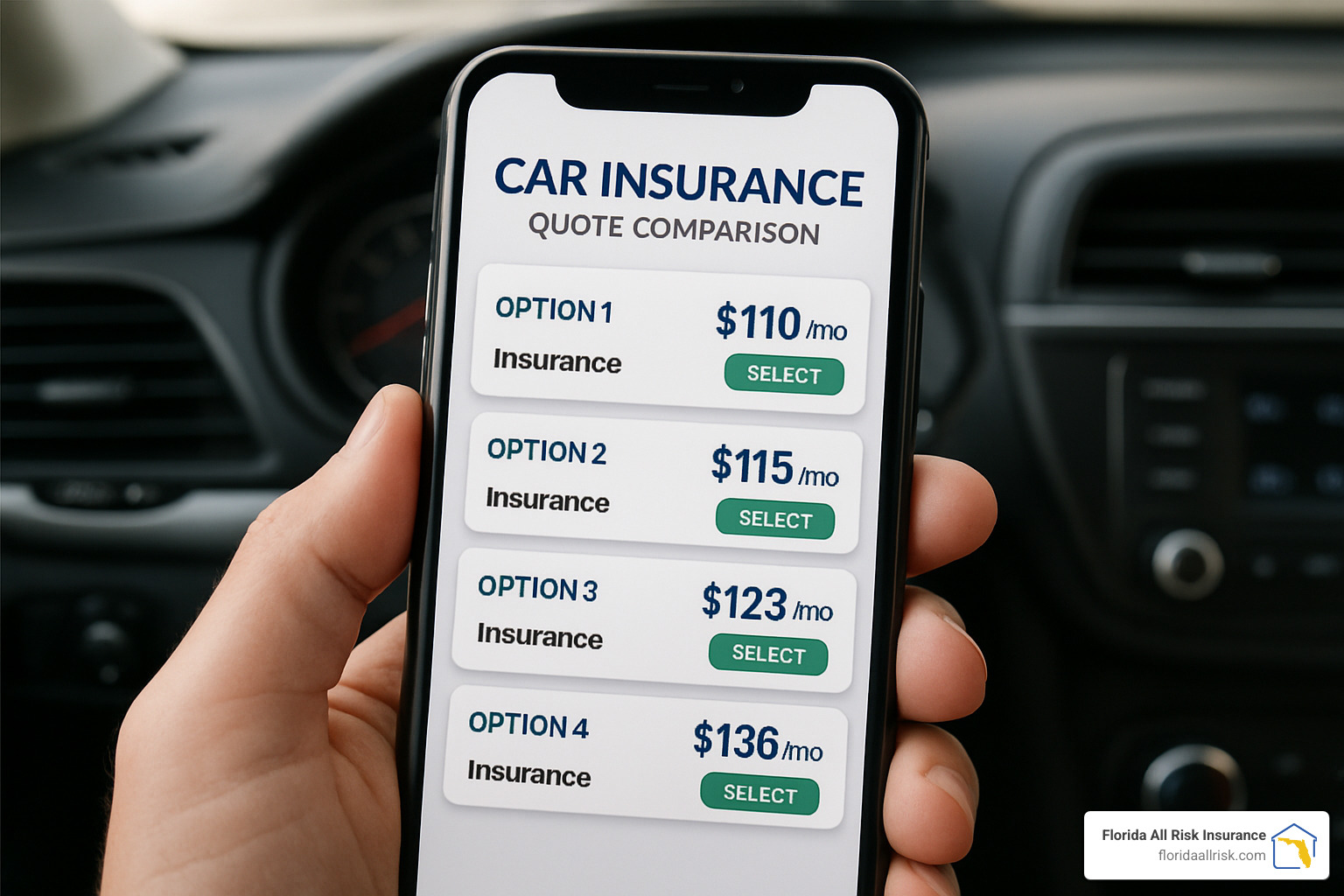
- Request Multi-Deductible Quotes: Ask your agent or run online quotes comparing $500 vs. $1,000 deductible options.
- Run the Break-Even Formula: Calculate how many months of premium savings are required to cover the higher out-of-pocket risk.
- Consider Split Deductibles: Keep comprehensive deductibles low for glass claims while raising collision deductibles for major crashes.
- Review Loan/Lease Rules: Verify that your lender allows higher deductibles before adjusting coverage terms.
For official guidance on consumer insurance standards and policy structures, visit the educational consumer portals provided by the Insurance Information Institute (III).