What Is Gap Insurance Explained: Do You Really Need It?
Stepping onto a dealership lot and driving off in a brand-new automobile is an exhilarating financial milestone. However, the exact moment your new tires roll off the dealership lot and onto public asphalt, a harsh economic reality triggers: depreciation. A brand-new vehicle can lose up to 20% of its total retail value within the first twelve months of ownership. While this drop in value does not affect your daily driving comfort, it creates a dangerous financial vulnerability if you financed the vehicle with a low down payment or a long-term bank loan.
If your vehicle is stolen or completely wrecked in a major highway accident, your standard auto insurance provider will not write a check for what you originally paid for the car, nor will they pay off your remaining bank loan. Instead, they will only pay you the current market value of the vehicle at the exact second the crash occurred. This structural difference between your bank debt and your insurance payout is where gap insurance becomes an absolute financial lifesaver.
How Does Gap Insurance Actually Work?
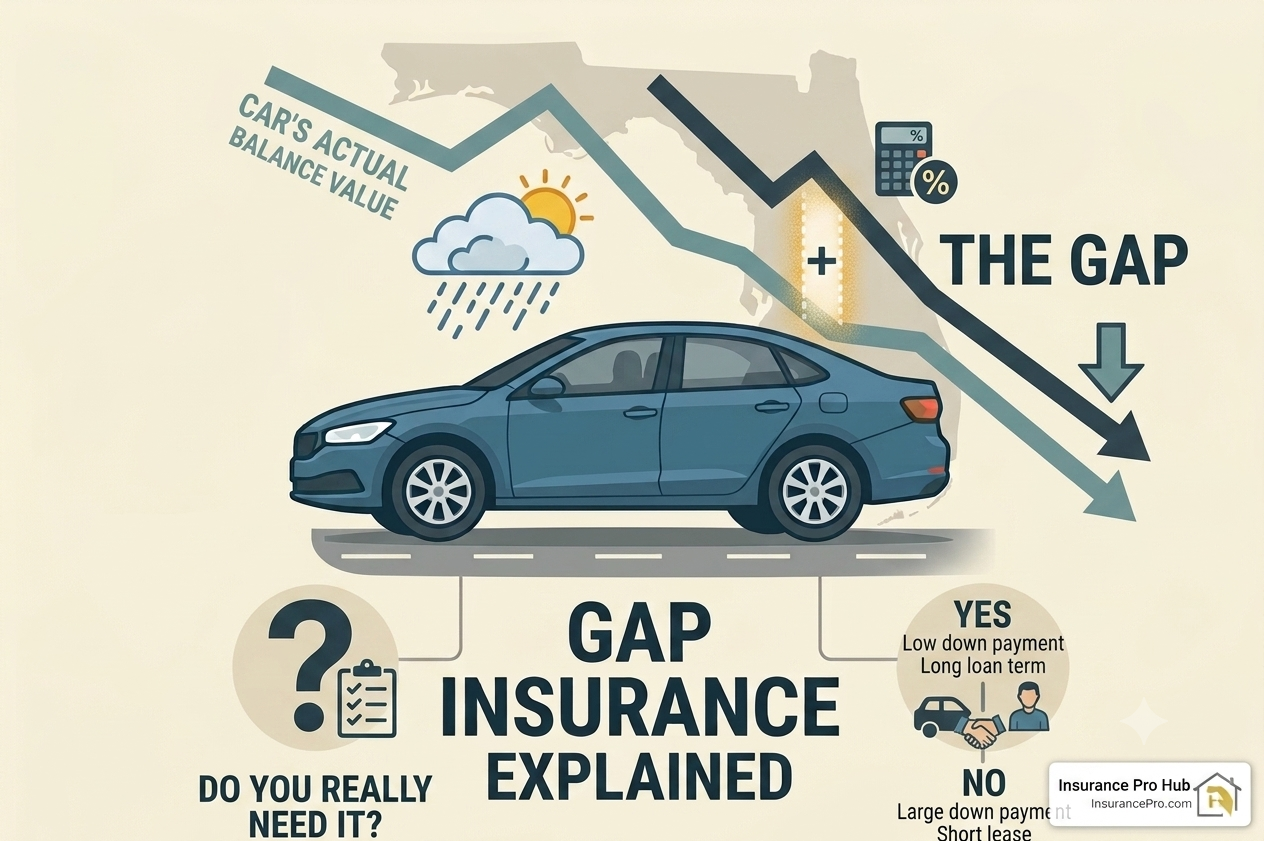
To have what is gap insurance explained clearly, you must look at the physical numbers behind a typical total-loss auto claim. «Gap» stands for Guaranteed Asset Protection, and its sole operational purpose is to clear out negative equity when an automobile is deemed a total loss by your insurance company.
Imagine you purchase a modern sedan for $30,000 using a long-term auto loan. A year later, you are involved in a multi-vehicle highway accident that severely damages the frame, causing your insurance company to declare the vehicle totaled. Because of natural market depreciation, the adjuster calculates the current Actual Cash Value (ACV) of your car at $22,000. However, because of interest rates and your low initial down payment, your online bank statement shows you still owe $27,000 on the auto loan.
Here is how that scenario plays out depending on your policy selections:
| Financial Element | Outome Without Gap Insurance | Outcome With Gap Insurance |
| Vehicle Market Value (ACV) | $22,000 (Paid to your lender) | $22,000 (Paid to your lender) |
| Remaining Auto Loan Balance | $27,000 | $27,000 |
| Out-of-Pocket Cash You Owe | $5,000 (You must pay the bank) | $0 (The gap policy covers it) |
Without gap protection, you are legally obligated to continue writing monthly checks to your bank totaling $5,000 for a car that is currently sitting in a scrap yard. A gap endorsement bridges this financial void seamlessly.
What Is Typically Covered and Excluded?
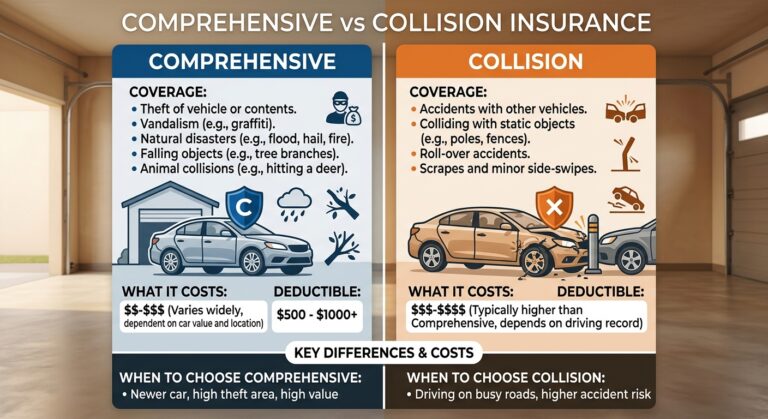
Like any specialized financial product, gap insurance operates under strict regulatory frameworks. It is designed to interact solely with total losses stemming from comprehensive and collision events.
- What It Covers: Complete vehicle theft where the car is never recovered by authorities, catastrophic fires, severe environmental flood damage, and total-loss physical collisions.
- What It Excludes: Mechanical breakdowns or engine failures, the cost of extended warranties you rolled into your auto loan, medical expenses from the crash, and overdue late fees or interest penalties accrued on your bank account prior to the accident.
Who Actually Needs to Buy Gap Insurance?
Gap insurance is highly valuable, but it is not necessary for every type of driver profile. If you purchased a vehicle with cash or made a massive down payment of 20% or more, your loan balance will almost always be lower than the car’s depreciated value. In those situations, you already have positive equity, making gap insurance a waste of your premium dollars.
However, you should absolutely opt into gap coverage if your vehicle purchase matches any of the following specific high-risk risk criteria:
- You Leased the Vehicle: Almost all vehicle leasing corporations explicitly require you to maintain gap insurance in the lease contract to protect their corporate asset.
- Your Loan Term Is Long: Financing an automobile for 60, 72, or 84 months means you are paying down the principal balance extremely slowly, leaving you in a negative equity position for years.
- You Rolled Old Debt In: If you traded in a previous vehicle and rolled the remaining negative equity of that old loan into your new vehicle contract, you are starting your new policy deeply underwater.
Where Should You Purchase Your Coverage?
If you decide your loan structure requires gap protection, you have two primary avenues to acquire it: the car dealership or your auto insurance provider.
Dealerships will aggressively push to sell you their proprietary gap plans during the final signing process, often charging a flat fee of $500 to $1,000. Worse, they will roll that fee into your primary auto loan, meaning you will pay compounding bank interest on your insurance policy for the next five years.
Conversely, purchasing gap protection directly through a reputable auto insurance company usually costs just a few extra dollars added to your monthly premium statement. This allows you to easily remove the rider from your account down the road once your regular loan payments finally catch up to the natural market value of the vehicle.
For official updates on auto loan financial consumer protections, state-by-state policy guidelines, and verified company compliance registers, you can explore the consumer data hubs provided by the National Association of Insurance Commissioners (NAIC).