What Is Gap Insurance? How It Works, Costs & Coverage
Driving a brand-new car off a dealership lot is an exciting milestone. However, the moment you drive that new automobile onto public roads, its market value drops significantly due to rapid initial depreciation. In fact, most new vehicles lose up to 20% of their resale value within the first twelve months of ownership.
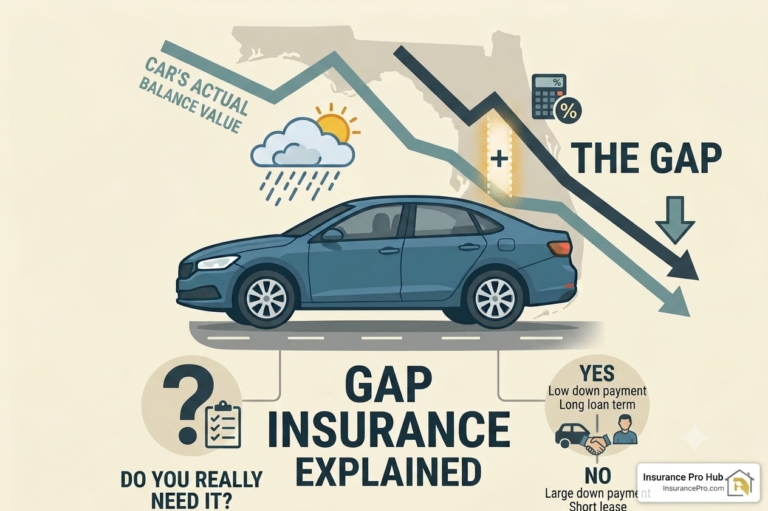
If your car is stolen or declared a total loss following a serious collision, standard full coverage insurance pays only your car’s Actual Cash Value (ACV) at the time of the crash. If you financed or leased the vehicle with a small down payment, your remaining bank loan balance could easily exceed your car’s depreciated market value.
This comprehensive guide provides what is gap insurance explained from top to bottom. You will learn how total loss payouts function, examine realistic calculation examples, and discover whether adding gap insurance fits your financial strategy.
Quick Summary: Gap Insurance Essentials
- The Core Function: Pays the negative equity difference between your car’s depreciated actual cash value and your remaining loan or lease balance after a total loss.
- Depreciation Shield: Protects drivers who make low down payments (less than 20%) or take out long-term auto loans (60+ months).
- Where to Buy: Adding gap insurance to your existing auto policy is up to 70% cheaper than buying standalone financial debt protection at a dealership.
How Gap Insurance Works: A Real-World Example
To understand why gap coverage (Guaranteed Asset Protection) is crucial for financed vehicles, analyze how insurance claims treat car depreciation after a collision.
When an insurance company declares a car totaled, they determine its fair market value seconds before the accident occurred. They do not calculate payouts based on what you originally paid for the car or what you currently owe on your bank loan.
Vehicle Loan Balance:      $30,000
Actual Cash Value (ACV): - $22,000
---------------------------------
Unpaid Financial Gap:       $8,000  <--- Gap Insurance Pays This Difference
The Total Loss Payout Scenario
Imagine you purchase a new sedan for $32,000 with a $2,000 down payment, leaving a total loan balance of $30,000. Six months later, an accident totals the car.
- Standard Insurance Payout: Your insurer determines your car’s actual cash value has depreciated to $22,000. They issue a check for $22,000 (minus your deductible) directly to your bank.
- The Unpaid Balance: You still owe $30,000 on your auto loan. Without gap insurance, you must pay the remaining $8,000 out of pocket for a car you can no longer drive.
- With Gap Insurance: Your gap policy steps in to cover the remaining $8,000 balance completely, releasing you from all remaining loan obligations.
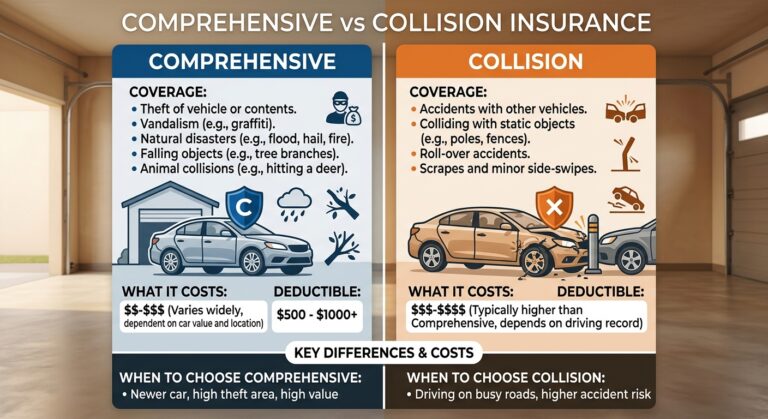
If you are unfamiliar with how collision deductibles apply during physical damage claims, review our guide explaining comprehensive vs collision insurance explained to balance your out-of-pocket costs.
What Gap Insurance Covers vs. What It Excludes
Gap insurance is a highly specialized financial endorsement designed exclusively for total loss events. Understanding its coverage boundaries prevents unexpected claim surprises.
What Gap Insurance Covers
- Total Loss Collisions: Pays the financial difference between your car’s actual value and loan balance after major crash destruction.
- Unrecovered Vehicle Theft: Covers the remaining loan balance if your stolen car is never recovered by law enforcement.
- Severe Environmental Damage: Protects against negative equity when floods, fires, or extreme weather total your parked vehicle.
What Gap Insurance Does NOT Cover
- Routine Physical Repairs: Does not pay for body shop repairs when your car is damaged but repairable.
- Vehicle Down Payments: Does not refund your original down payment or provide cash to purchase a replacement vehicle.
- Overdue Loan Penalties: Excludes late payment fees, interest penalties, or extended warranty costs rolled into your loan.
- Engine Mechanical Failures: Does not cover routine maintenance or mechanical breakdowns (for engine failures, consider geico vs progressive car insurance to evaluate mechanical breakdown riders).
Where to Buy Gap Insurance: Dealership vs. Insurance Carrier
You can purchase gap insurance directly through your auto dealership when financing a vehicle, or add it as an endorsement to your personal car insurance policy. However, purchasing options differ dramatically in price.
| Purchase Option | Average Annual Cost | Payment Method | Flexibility |
| Auto Insurance Provider | $20 to $40 / year | Added to monthly insurance bill | Can be canceled anytime as loan balance drops |
| Car Dealership (Lender) | $500 to $800 upfront | Rolled directly into auto loan interest | Difficult to cancel; incurs monthly loan interest |
Buying gap protection directly through your auto insurance provider is almost always the smarter choice. Dealerships often charge flat upfront fees that are rolled into your monthly car payments, causing you to pay interest on your gap policy over time.
To evaluate which insurance companies offer cheap gap riders, consult our national rankings of the cheapest car insurance companies.
Who Needs Gap Insurance (And Who Can Skip It)?
Gap insurance is not necessary for every vehicle owner. Your need for coverage depends entirely on your loan agreement terms and equity balance.
When You SHOULD Buy Gap Insurance
- Low Down Payment: You put down less than 20% cash when buying or financing the vehicle.
- Long Loan Terms: Your auto loan financing term spans 60, 72, or 84 months.
- Leased Vehicles: You lease a vehicle (leasing contracts almost universally require gap protection).
- Fast-Depreciating Cars: You purchased a luxury sedan or SUV model known for rapid market value loss.
- Rolled-Over Negative Equity: You rolled unpaid loan debt from an old car trade-in into your new car financing contract.
When You Can SKIP Gap Insurance
- Paid in Cash: You paid for the vehicle outright with cash and hold no outstanding bank debt.
- Substantial Down Payment: You made a 20% or higher down payment at purchase, keeping your loan balance below market value.
- Short Loan Terms: Your loan schedule is 36 months or shorter, allowing equity to accumulate rapidly.
First-time car buyers can learn how to structure their overall auto policies by reading our step-by-step guide on how to buy car insurance for the first time.
Frequently Asked Questions (FAQs)
How long do I need to keep gap insurance on my car?
You only need gap insurance until your auto loan balance falls below your car’s actual market value (known as reaching positive equity). Once your car is worth more than what you owe the bank, contact your insurer to cancel the gap endorsement immediately.
Will gap insurance pay my deductible?
Some auto insurance providers include deductible coverage (up to $500 or $1,000) within their gap insurance endorsements. However, standalone dealership gap policies frequently exclude deductible coverage, requiring you to pay your deductible out of pocket during a total loss.
Can I drop gap insurance if I switch car insurance companies?
Yes. Gap insurance is a flexible policy endorsement. If you decide to change providers, follow our guide on how to switch car insurance companies to transfer your gap protection without experiencing coverage gaps.
Summary Action Steps for Car Buyers
If you plan to finance or lease a vehicle soon, follow these practical steps to protect your personal finances:
- Calculate Your Equity: Compare your loan balance against online car valuation tools like Kelley Blue Book (KBB).
- Decline Dealership Rates: Decline expensive upfront gap policies offered at dealership financing desks.
- Call Your Insurance Carrier: Add a gap coverage endorsement directly to your existing auto policy for a fraction of the cost.
- Monitor Your Loan Progress: Track your remaining debt balance and cancel gap coverage once you achieve positive vehicle equity.
For official regulatory definitions and financial advice regarding auto financing protection, explore consumer resources provided by the Consumer Financial Protection Bureau (CFPB).