Full Coverage vs. Liability Car Insurance: Which Do You Need?
Choosing the right auto insurance policy often comes down to a fundamental decision: purchasing comprehensive physical protection or opting for basic state-mandated coverage. Understanding the differences between full coverage vs liability car insurance is essential to avoid paying for unnecessary add-ons while ensuring your financial assets remain fully protected.
Liability insurance fulfills your legal obligation to pay for injuries and property damage you cause to other drivers. However, it leaves your own vehicle completely unprotected against physical damage. Full coverage adds protection for your car, covering repair or replacement costs from crashes, vandalism, extreme weather, and theft.
This comprehensive guide analyzes how both coverage levels function, compares average costs side by side, and provides a clear mathematical formula to help you decide when to drop full coverage on an aging vehicle.
Coverage Comparison Executive Summary
- Liability Insurance: Pays exclusively for third-party bodily injuries and property damage when you cause an accident. It never covers damage to your own vehicle.
- Full Coverage: Combines Liability, Collision, and Comprehensive coverages into a single policy package to protect both third parties and your own car.
- Lender Mandates: If you currently finance or lease your automobile, your bank or leasing company will require you to maintain full coverage.
- The 10% Value Rule: If the annual cost of full coverage exceeds 10% of your car’s total market value, dropping to liability-only may save you money.
What Is Liability-Only Car Insurance?
Liability insurance forms the legal baseline for auto insurance in almost every state. It protects your personal finances if you are held legally responsible for a traffic collision that harms another person or damages their property.
Liability coverage does not carry a policy deductible. Instead, your insurer pays claims directly to the victim up to your pre-selected policy limits.
+------------------------------------------------------------------------+
|                      LIABILITY COVERAGE COMPONENTS                     |
+------------------------------------------------------------------------+
|  1. BODILY INJURY (BI)    --> Pays victim medical bills, lost wages,  |
|                                and legal defense fees.                 |
|  2. PROPERTY DAMAGE (PD)  --> Pays to repair or replace the victim's   |
|                                vehicle, fences, or structures.        |
+------------------------------------------------------------------------+
What Liability Coverage Excludes
Liability-only policies strictly exclude physical repairs for your vehicle. If you skid on an icy road and hit a tree, or if a hail storm dents your roof, a liability-only contract provides zero financial reimbursement for your repair bills.
To structure your baseline limits beyond state minimums, review our beginner guide on how to choose car insurance coverage.
What Is Full Coverage Car Insurance?
Despite its widespread industry usage, «full coverage» is not a single policy line item. Instead, it refers to a complete policy combination that pairs state-mandated Liability protection with two essential physical damage coverages: Collision and Comprehensive.
Full Coverage = State Liability + Collision Insurance + Comprehensive Insurance
1. Collision Insurance
Collision coverage pays to repair or replace your vehicle if it collides with another car, flips over, or strikes a stationary object like a guardrail, telephone pole, or concrete barrier—regardless of who was at fault.
2. Comprehensive Insurance
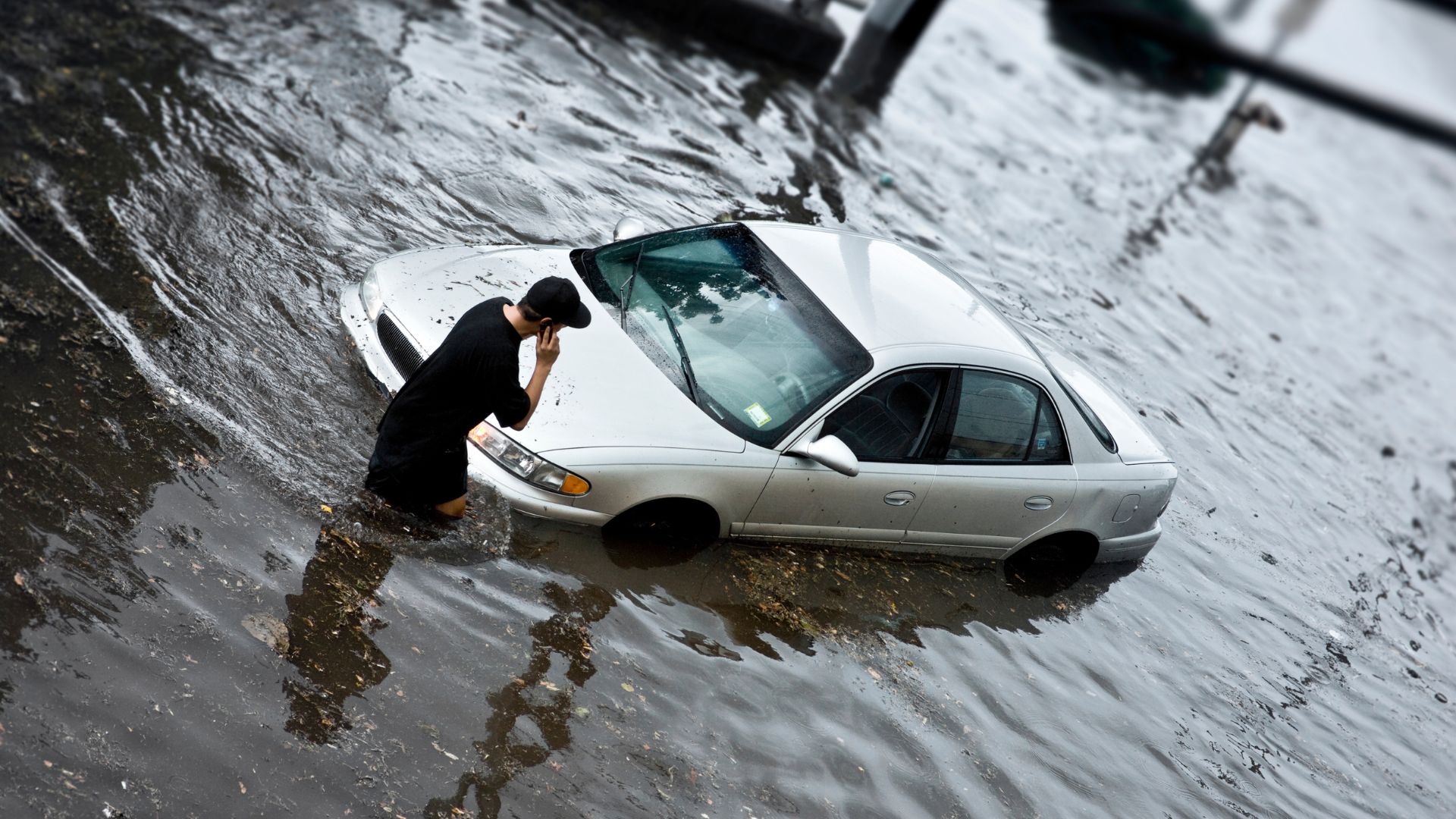
Comprehensive coverage (often called «other-than-collision» protection) repairs damage caused by non-collision events out of your direct control. This includes vehicle theft, fallen trees, windshield hail damage, animal strikes, vandalism, and garage fires.
Both physical damage coverages require you to choose an out-of-pocket deductible. To understand how deductible selections impact your monthly bill, consult our guide on high vs low deductible car insurance.
Liability vs. Full Coverage Feature Comparison
To evaluate how these policy structures differ across key operational metrics, examine the comparative matrix below:
| Feature / Scenario | Liability-Only Policy | Full Coverage Policy |
| Damage to Other Vehicles (You At Fault) | Covered up to policy limits | Covered up to policy limits |
| Injuries to Other People (You At Fault) | Covered up to policy limits | Covered up to policy limits |
| Damage to Your Car in a Crash | Not Covered | Covered (Minus Collision Deductible) |
| Vandalism, Weather, or Theft | Not Covered | Covered (Minus Comprehensive Deductible) |
| Out-of-Pocket Deductible Required? | No Deductible | Yes (Deductible applies per physical claim) |
| Average Relative Premium Cost | Baseline (Lowest Cost) | 100% to 150% Higher Than Liability |
| Lender Requirements | Exceeds minimums only | Required for financed/leased cars |
To see which top insurance carriers offer competitive quotes for both coverage tiers, check our rankings of the cheapest car insurance companies.
When Should You Drop Full Coverage? (The 10% Rule)
Because full coverage costs significantly more than liability-only insurance, maintaining comprehensive physical damage protection on an aging vehicle eventually yields diminishing financial returns.
As a vehicle depreciates, its maximum potential insurance payout drops. Because insurers never pay more than a car’s current Actual Cash Value (ACV) during a total loss, paying high premiums for physical damage coverage on an older vehicle becomes cost-ineffective.
Annual Full Coverage Cost > 10% of Vehicle Market Value ---> Consider Dropping to Liability Only
Applying the 10% Rule: Real-World Example
Suppose you drive an older sedan valued at $4,000 on the used car market:
- Calculate the 10% Threshold: 10% of $4,000 is $400.
- Evaluate Your Premium Difference: If adding Collision and Comprehensive coverages adds $600 per year to your baseline liability rate (plus a $500 deductible), you are spending $600 annually to protect a maximum net payout of $3,500 ($4,000 value minus $500 deductible).
- The Decision: Because the $600 coverage cost exceeds your $400 threshold, dropping to liability-only and placing those savings into a personal emergency fund is financial prudence.
If your vehicle suffers severe damage before you drop coverage, read our step-by-step instructions on how to file a car insurance claim to navigate physical loss adjusters.
Who Needs Which Coverage Level?
Selecting between liability and full coverage depends on your vehicle’s market value, lender requirements, and personal savings balance.
You NEED Full Coverage If You:
- Lease or Finance Your Automobile: Auto lenders legally require full coverage to protect their financial collateral until the loan is fully repaid.
- Drive a Newer or High-Value Car: Your vehicle is worth more than $5,000–$7,000 on the open market.
- Lack Replacement Cash: You cannot afford to purchase a replacement vehicle out of pocket if your car is totaled tomorrow.
You Can Choose Liability-Only If You:
- Own Your Car Outright: You hold a clean vehicle title with no active bank liens or lease agreements.
- Drive an Older, Low-Value Automobile: Your vehicle’s depreciated value makes physical coverage premiums cost-prohibitive under the 10% rule.
- Maintain Emergency Savings: You have sufficient cash reserves in a bank account to handle unexpected repairs or buy another car if needed.
For drivers looking for alternative ways to lower their premiums while maintaining physical damage safety nets, explore our guide on usage-based car insurance savings.
Frequently Asked Questions (FAQs)
Does full coverage pay for rental cars while my vehicle is being repaired?
Not automatically. Rental car reimbursement is an optional policy add-on separate from standard Collision and Comprehensive coverages. If you want your insurer to pay for a loaner vehicle during claims, you must add rental coverage explicitly to your contract.
Can I buy Collision insurance without buying Comprehensive insurance?
Technically, some carriers allow split physical damage options. However, most insurance companies sell Collision and Comprehensive together as a unified «full coverage» package because comprehensive protection handles low-cost claims like glass repair and animal strikes.
What happens if I drop full coverage while still owing money on my auto loan?
If you cancel physical damage coverage on a financed car, your lender will receive an automated notice from your insurer. The lender will then purchase expensive Force-Placed Insurance on your behalf and add the cost directly to your monthly car payment.
Summary Action Plan to Choose Your Coverage
To select the ideal insurance tier for your household, complete these practical steps today:
- Check Vehicle Market Value: Use valuation tools like Kelley Blue Book (KBB) to establish your car’s actual cash value.
- Audit Bank Obligations: Verify whether an active lender requires physical damage coverage.
- Apply the 10% Rule: Compare the annual cost of full coverage against 10% of your car’s current market value.
- Evaluate Emergency Cash: Ensure your liquid bank savings can absorb potential physical vehicle losses if you choose liability-only.
For additional consumer guidance on policy types and financial protection standards, review the public educational resources published by the Insurance Information Institute (III).