What Is Gap Insurance? Coverage, Costs & Who Needs It
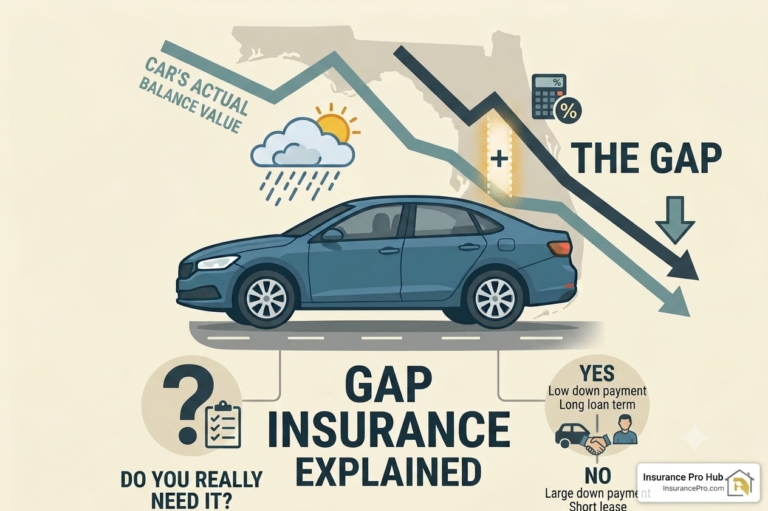
Driving a brand-new or late-model vehicle off a dealership lot is an exciting milestone. However, new vehicles suffer immediate, rapid depreciation—losing roughly 20% of their total market value within the very first year. If your vehicle is totaled in a major accident or stolen before your auto loan balance catches up with this rapid value loss, standard comprehensive and collision insurance policies will not pay off your full bank loan.
This financial disparity is where gap insurance on a car becomes essential. Short for Guaranteed Auto Protection, gap insurance covers the negative equity «gap» between your vehicle’s actual cash value and what you still owe to your financing lender.
This complete guide breaks down how gap insurance functions, illustrates a real-world total loss calculation, compares dealer vs. insurer pricing, and highlights who benefits most from adding this safety net.
Gap Insurance Executive Summary
- Primary Function: Pays the cash deficit between a totaled car’s Actual Cash Value (ACV) and your remaining auto loan/lease balance.
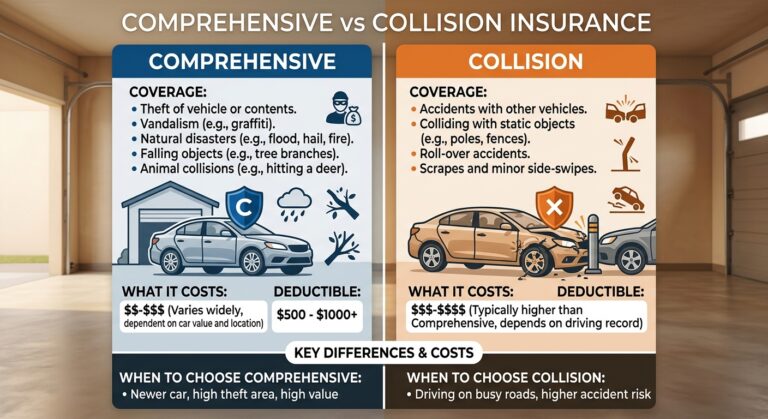
- Prerequisite Coverage: Insurers require you to maintain active Collision and Comprehensive insurance («full coverage») to qualify for gap coverage.
- Average Annual Cost: Adding gap insurance through a standard auto insurer typically costs $20 to $100 per year ($2 to $8 per month).
- Dealership vs. Insurer Cost: Dealerships charge flat rates of $400 to $700+, often rolling interest into your loan. Adding it to your existing auto policy is substantially cheaper.
How Gap Insurance Works During a Total Loss
When a vehicle is stolen or severely damaged beyond practical repair, standard auto insurance policies settle claims based strictly on the car’s Actual Cash Value (ACV). The insurance payout reflects local used-car market prices seconds before the crash occurred.
Insurers do not base total loss claim checks on what you originally paid for the car, nor do they look at your current loan statement.
+------------------------------------------------------------------------+
|                     THE GAP COVERAGE BREAKDOWN FORMULA                 |
+------------------------------------------------------------------------+
|  Outstanding Auto Loan Balance:               $28,000                  |
|  Minus Vehicle Actual Cash Value (ACV Payout): - $22,000               |
|  --------------------------------------------------------------------  |
|  Unpaid Negative Equity Balance ("The Gap"):  $6,000  <-- GAP PAYS THIS|
+------------------------------------------------------------------------+
Without gap coverage, your primary insurance carrier sends a $22,000 check directly to your lender. However, your bank still demands the remaining $6,000 balance. You are legally obligated to pay this out of pocket for a vehicle you can no longer drive.
With gap insurance active, the gap policy pays the $6,000 difference, leaving you with zero remaining loan liability.
Real-World Financial Example: Standard Policy vs. Gap Coverage
To understand how gap insurance protects your personal savings during an unexpected crash, evaluate the total loss calculation below:
| Vehicle & Loan Scenario Details | Without Gap Insurance | With Gap Insurance |
| New Vehicle Purchase Price | $35,000 | $35,000 |
| Current Outstanding Bank Loan | $30,000 | $30,000 |
| Vehicle Market Value (ACV Payout) | $23,000 | $23,000 |
| Policy Collision Deductible | – $500 | – $500 |
| Primary Insurer Check to Lender | $22,500 | $22,500 |
| Remaining Unpaid Loan Balance | $7,500 | $7,500 |
| Out-of-Pocket Cost to You | $7,500 Out of Pocket | $0 Out of Pocket |
To learn how primary damage payouts and deductibles are processed by adjusters during collisions, explore our guide on full coverage vs liability car insurance.
Where to Buy Gap Insurance: Insurer vs. Dealership
You can purchase gap insurance from three main sources: auto insurance companies, car dealerships, and independent lending institutions. However, costs vary dramatically based on where you buy.
Auto Insurer Add-on ($20-$100/yr) < Lender Policy ($300-$500) < Dealer Add-on ($400-$700+)
1. Auto Insurance Providers (Best Value)
Adding gap coverage as an endorsement to your existing auto policy is almost always the most affordable option. Major carriers charge between $20 and $100 per year. Furthermore, you can remove gap coverage from your policy as soon as your loan balance drops below the car’s market value.
2. Car Dealerships (Most Expensive)
Finance managers at dealerships frequently pitch gap insurance during sales paperwork. Dealerships charge a flat fee ranging from $400 to $700 or more. Worse, they usually roll this fee into your long-term vehicle loan, meaning you pay interest on your gap insurance for five to seven years.
Comparison of Purchasing Options
| Provider Type | Average Total Cost | Billing Method | Cancellation Flexibility |
| Auto Insurance Company | $20 to $100 / year | Added to monthly policy bill | Cancel anytime as loan pays down |
| Car Dealership | $400 to $700+ flat fee | Financed into auto loan (plus interest) | Difficult to cancel or refund |
| Credit Union / Bank | $250 to $500 flat fee | Upfront fee or loan financing | Moderate policy terms |
Before committing to dealership add-ons, compare baseline rates across top carriers by reading our guide on the cheapest car insurance companies.
Who Needs Gap Insurance? (Eligibility Checklist)
Gap insurance is not necessary for every car buyer. If you make a large down payment, your loan balance will likely remain lower than the vehicle’s market value, eliminating negative equity.
You SHOULD Purchase Gap Insurance If You:
- Made a Down Payment Under 20%: Small down payments leave you in immediate negative equity due to initial drive-off depreciation.
- Leased Your Vehicle: Most lease contracts legally require gap protection. (Check your lease agreement—many auto manufacturers include gap coverage automatically).
- Financed Over 60 to 84 Months: Long loan terms pay down loan principal slowly while vehicle depreciation continues rapidly.
- Rolled Prior Debt into Your New Loan: Transferring negative equity from a trade-in inflates your new loan balance above the car’s actual value.
- Purchased a High-Depreciation Vehicle: Luxury sedans and electric vehicles depreciate faster than sports cars or pickup trucks.
You DO NOT Need Gap Insurance If You:
- Paid for your vehicle in full with cash.
- Made a 20% or higher cash down payment at signing.
- Owe less on your loan balance than the car’s current Kelley Blue Book (KBB) resale value.
If your vehicle suffers non-total physical damage during an accident, you may face market value loss even after repairs. Learn how to recover lost market equity by reading our guide on how to file a diminished value claim.
What Gap Insurance Does NOT Cover
While gap insurance provides vital financial protection for loan balances, it carries specific coverage exclusions:
- Vehicle Repairs: Gap insurance never pays for mechanical breakdowns or physical accident body repairs (handled by Collision and Comprehensive).
- Overdue Loan Payments: It does not cover late fees or missed loan payments accumulated prior to the accident event.
- Extended Warranty Rollovers: It excludes costs from add-on products like extended service contracts or tire-and-wheel protection packages rolled into your financing.
- Vehicle Down Payments: Gap coverage does not provide cash to use as a down payment for a replacement automobile.
To ensure your policy structure maintains manageable out-of-pocket costs during claims, review our guide on high vs low deductible car insurance.
Frequently Asked Questions (FAQs)
Does gap insurance cover your deductible?
Some auto insurance gap endorsements cover your primary policy deductible (up to $500 or $1,000) as part of the total loss settlement. However, dealer-purchased gap contracts often exclude deductibles. Check your specific policy endorsement details to confirm.
When can I cancel gap insurance?
You can cancel gap insurance as soon as your principal loan balance is equal to or lower than your vehicle’s market value (known as reaching «positive equity»). You can track this by checking your loan balance against valuation tools like Kelley Blue Book (KBB) or Edmunds.
Is gap insurance required by law?
No state legally mandates gap insurance. However, financing lenders and leasing companies almost universally require you to maintain either gap coverage or proof of sufficient equity protection as a condition of your loan contract.
Action Plan for Vehicle Buyers
To protect your finances against negative vehicle equity, follow these four practical steps:
- Check Vehicle Equity: Compare your current loan payoff quote against market valuation guides.
- Decline Expensive Dealer Add-Ons: Avoid paying $500–$700 at the dealership counter when buying a car.
- Call Your Auto Insurance Agent: Add gap coverage directly to your auto insurance policy for a fraction of the cost.
- Monitor Your Loan Principal: Remove gap coverage once you owe less than what your vehicle is worth on the open market.
For further consumer protection standards and financial guidance on auto financing options, visit the official educational guides hosted by the Consumer Financial Protection Bureau (CFPB).