How to Choose Car Insurance Coverage: A Comprehensive Guide for Beginners
Purchasing a vehicle is a major milestone, but protecting that investment requires navigating the complex world of auto insurance policies. For many drivers, opening a policy portal presents an overwhelming wall of choices, numbers, limits, and legal jargon. It is incredibly easy to fall into one of two traps: either overpaying for specialized coverages you do not actually need, or stripping away essential protection layers just to secure a cheaper monthly bill, leaving your personal finances exposed to devastating lawsuits.
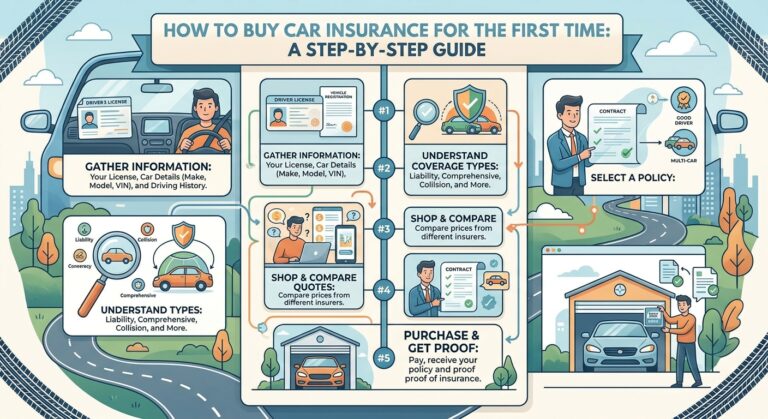
Learning how to choose car insurance coverage effectively involves assessing your unique daily driving environment, evaluating the real financial value of your vehicle, and protecting your personal net worth. Below is an exhaustive, master-level guide designed to walk you through the entire selection process step by step, ensuring you construct the perfect protective shield for your automobile.
Step 1: Understand the Baseline Foundation of Liability Protection
Before you can add customized protection layers to your auto insurance policy, you must satisfy the baseline legal mandates established by your local government. Almost every jurisdiction requires drivers to maintain a minimum amount of liability insurance before operating a vehicle on public roads.
Liability insurance does not pay for damage to your own car. Instead, it pays for the bodily injuries and property destruction you cause to other people in an at-fault accident. When configuring this part of your policy, you will select limits for two distinct categories:
- Bodily Injury Liability: This pays for the medical bills, emergency room treatments, rehabilitation expenses, and legal defense costs of other drivers or pedestrians injured in an accident where you are found legally responsible.
- Property Damage Liability: This covers the repair or replacement costs for objects you strike with your vehicle, including the other driver’s automobile, public utility poles, building fronts, or residential fences.
Step 2: Evaluate Physical Damage Coverage for Your Automobile
Once your legal liability parameters are established, the next phase of learning how to choose car insurance coverage is deciding how to protect your own vehicle. If your car is financed through a bank loan or operated under a corporate lease agreement, your financial lender will strictly mandate that you carry physical damage protections. These are split into two core types:
Collision Coverage
This component triggers whenever your vehicle impacts another object, regardless of who caused the incident. If you collide with another car on the highway, roll your vehicle over on an icy road, or accidentally strike a concrete divider in a tight parking garage, collision coverage pays for your vehicle’s mechanical repairs.
Comprehensive Coverage
Often referred to as «other-than-collision» insurance, this policy layer protects your vehicle from environmental threats and unpredictable incidents out of your direct driving control. Comprehensive coverage pays out if your car is stolen, vandalized, damaged by a severe hailstorm, struck by falling tree branches, or if you experience a collision with an animal on a rural road.
| Coverage Type | What It Specifically Protects | Is It Legally Mandatory? |
| Liability Insurance | Other people’s bodies and properties. | Yes, required in almost all regions. |
| Collision Insurance | Your car during physical driving accidents. | No, unless mandated by a car loan provider. |
| Comprehensive Insurance | Your car during non-driving, environmental events. | No, unless mandated by a car loan provider. |
Step 3: Assess Your Financial Threshold and Select a Deductible
Every time you opt into collision and comprehensive protections, you are required to select a deductible threshold. Your deductible is the flat fee you agree to pay directly to a mechanic or repair shop out of your own pocket before your auto insurance provider issues a check to cover the remaining balance of a claim.
Choosing your deductible level requires a balanced analysis of your current monthly budget and your liquid cash savings. Selecting a low deductible (like $250) means you pay very little during a crisis, but your regular monthly premium bills will be higher. Choosing a high deductible (such as $1,000) reduces the financial risk for the insurance corporation, resulting in a dramatic, permanent drop in your monthly insurance bill.
Step 4: Consider Specialized Add-Ons for Complete Peace of Mind
The final stage of tailoring your policy involves evaluating optional coverages that fill the hidden gaps left by standard plans. While these riders add a few extra dollars to your premium, they can save you thousands of dollars during an unexpected breakdown or prolonged repair process.
- Roadside Assistance: This service provides 24/7 rescue operations if you experience a flat tire, run out of fuel on the highway, lock your keys inside the cabin, or require an emergency tow truck to the nearest mechanical garage.
- Rental Car Reimbursement: If your vehicle is stuck in a repair shop for weeks following a covered collision claim, this add-on covers the daily rental fees for a replacement car so your work commute is never interrupted.
- Gap Insurance: Highly recommended for brand-new vehicles. If your car is totaled in a major accident, standard insurance only pays for the current depreciated market value of the car. If your remaining auto loan balance is higher than that depreciated value, gap insurance steps in to pay off that remaining financial debt completely.
For official national guidelines regarding policy models, consumer consumer protection rights, and customized auto coverage toolkits, you can browse the educational libraries hosted by the National Association of Insurance Commissioners (NAIC).