How to Switch Car Insurance Companies: A Step-by-Step Guide
Many drivers assume that once they sign up with an auto insurance provider, they are locked into that policy forever or forced to wait until an annual renewal notice arrives in the mail. However, auto insurance is a flexible consumer product. You have the complete legal right to change your insurance carrier at any given time—even in the middle of a policy term. In fact, staying with the same insurance provider for years out of sheer habit can cost you hundreds of dollars in lost savings due to a widespread industry practice known as price optimization, where insurers gradually raise rates on loyal customers who are statistically unlikely to shop around.
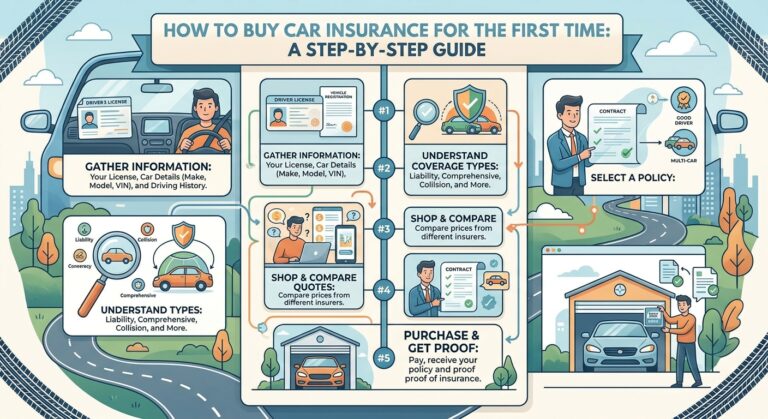
Knowing how to switch car insurance companies correctly is the key to capturing lower rates without exposing yourself to disastrous financial risks. Switching insurers requires careful coordination: if you cancel your old policy a single day before your new policy takes effect, you create a legal coverage lapse that can trigger state driver’s license suspensions, administrative fines, and immediate spikes in your future insurance rates.
This comprehensive buying guide walks you through the entire switching process step-by-step, showing you how to evaluate quotes, avoid hidden cancellation penalties, notify financial lenders, and transition seamlessly between insurance carriers.
When Is the Best Time to Switch Auto Insurance Companies?
While you can technically change your policy whenever you wish, certain life triggers and calendar windows offer the highest probability of unlocking substantial premium savings.
Key Life Events That Impact Your Rate
Insurance underwriting models evaluate your risk profile based on life stability metrics. If you recently married, purchased a home, moved to a safer suburban neighborhood with lower crime rates, or transitioned to a permanent remote-work job that drastically reduces your annual commute mileage, your current insurer may no longer be the cheapest option. Shopping around right after a major life event allows you to find carriers that specialize in your updated demographic tier.
Significant Credit Score Improvements
In most states, insurance companies utilize an credit-based insurance score to help predict the likelihood of a policyholder filing a claim. If you have spent the last six to twelve months aggressively paying off credit card balances or clearing debt, your improved credit score can move you into a significantly cheaper insurance bracket.
Impending Policy Renewal Notices
The most seamless time to change carriers is approximately 30 days before your current policy expires. When you review your upcoming renewal invoice and see an unexpected price jump, you can start shopping the market immediately to see if competitors offer better value.
Step 1: Audit Your Existing Policy and Identify Needed Coverage
Before you start requesting quotes from new carriers, you must establish an accurate baseline of your current coverage limits. The most common mistake drivers make when switching is comparing a high-coverage existing plan against a bare-minimum quote from a new provider, creating a false illusion of savings while stripping away crucial financial protection.
Open your current policy’s Declarations Page (the summary document detailing your limits and deductibles) and review your current parameters. Make sure you fully understand how to choose car insurance coverage so you can evaluate whether your current limits—such as $100,000/$300,000 bodily injury liability limits—are still appropriate for your personal net worth.
Take careful note of your current physical damage choices as well. If you currently carry low out-of-pocket expenses for accident repairs, understanding your existing car insurance deductible structure ensures that you select identical deductible thresholds when generating new quotes for accurate side-by-side comparisons.
Step 2: Compare Multiple Quotes and Check for Hidden Fees
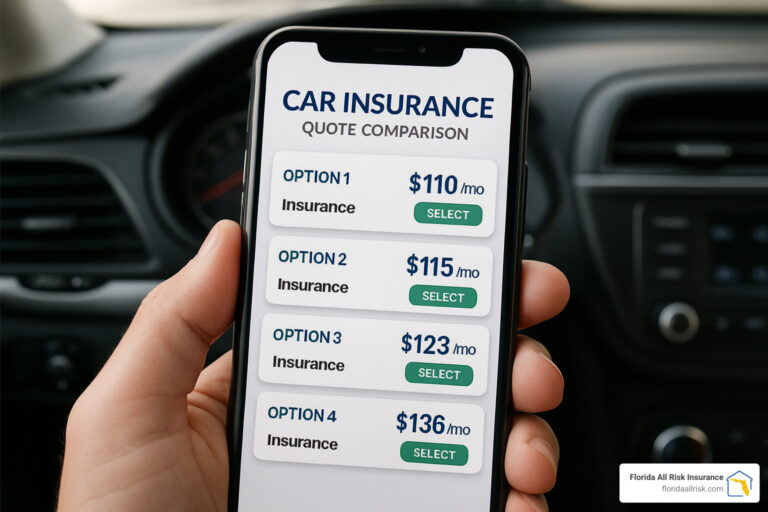
Once you have documented your baseline coverage levels, request quotes from at least three to four major national carriers as well as regional insurance providers. To establish a reliable price floor, cross-reference quotes from the cheapest car insurance companies of 2026 to determine which corporate algorithms favor your specific vehicle model and geographic location.
When evaluating competing quotes, look beyond the initial price tag and inspect the fine print for structural adjustments or temporary promotional discounts that may disappear after your first six months:
- Policy Setup Fees: Check if the prospective insurer charges administrative onboarding charges for creating a new policy account.
- Existing Policy Cancellation Fees: Review your current insurance contract to see if your old provider charges an early termination fee. While most major insurers allow you to cancel anytime with a prorated refund, some regional companies charge a flat cancellation fee or a «short-rate» penalty if you exit mid-term.
- Discount Eligibility Verification: Ensure that any quoted discounts—such as paperless billing, auto-pay, or bundling savings—are officially applied before signing. Reviewing a complete car insurance discounts list can help you identify additional savings opportunities you might have missed during the initial quote process.
Step 3: Purchase Your New Policy BEFORE Canceling the Old One
This is the most critical operational rule when learning how to switch car insurance companies: never cancel your existing auto insurance contract until your new policy is officially bound and active.
Even a tiny gap in insurance coverage—such as a single 12-hour period between policies—can have severe legal and financial consequences:
- Administrative State Penalties: Auto insurance companies automatically transmit real-time policy updates to state Department of Motor Vehicles (DMV) databases. A registered coverage gap can trigger instant fines, vehicle registration suspensions, or mandatory reinstatement fees. You can review official regulatory oversight policies directly on the National Association of Insurance Commissioners (NAIC) database to see how state insurance commissioners enforce continuous coverage rules.
- High-Risk Rate Reclassification: Insurance algorithms view any history of uninsured driving as a major red flag. Once you incur a coverage lapse, future insurers will categorize you as a high-risk driver, driving up your premiums for the next three to five years.
- Out-of-Pocket Liability Risk: If an unexpected accident occurs while you are driving during a half-day coverage gap, you are personally liable for all bodily injury medical bills and property destruction out of your own bank account.
To execute a flawless transfer, set the Effective Start Date of your new policy for the exact same calendar day as the Cancellation Date of your old policy, ensuring continuous, uninterrupted legal protection.
Step 4: Officially Cancel Your Old Policy and Request Your Refund
Once your new policy is officially active and you have downloaded your new digital proof of insurance cards, contact your previous insurance provider to formally cancel your old contract.
Do not simply delete your auto-pay details or stop paying your old insurance bill. If you simply stop sending monthly payments, your old insurer will eventually cancel your policy for non-payment, reporting an adverse cancellation mark to credit reporting bureaus and generating a record of coverage default that hurts your future rates.
Call your old company’s customer support line or submit a written cancellation request online specifying your desired cancellation date. Under insurance regulations, auto insurers are legally obligated to return any unused, prepaid premium balances back to you on a prorated basis.
Calculating Your Prorated Premium Refund
If you paid $600 upfront for a full 6-month policy term and choose to cancel your contract exactly three months into the term, your old insurance provider must issue a prorated check returning the remaining $300 balance back to your bank account.
Step 5: Notify Your Vehicle Lender or Leasing Company
If your automobile is financed through a bank loan or operated under an active corporate lease agreement, your contract legally mandates that you maintain continuous physical damage protection. Lenders retain a financial interest in the vehicle until the loan balance is paid off in full.
When you complete your insurance switch, contact your new insurance agent and provide them with your financial lender’s official Lienholder / Loss Payee Clause details (including their legal corporate address and loan account number). Your new insurer will automatically issue an updated proof of coverage document directly to your bank.
If you fail to inform your lender about the insurance switch, they may assume your car is completely uninsured. To protect their financial asset, the bank will purchase an expensive, mandatory policy on your behalf—known as Force-Placed Insurance—and add those high monthly charges directly onto your monthly car loan payment.
If you are currently paying down an extended auto loan with a low down payment, check your balance to determine if your vehicle has negative equity. Knowing what is gap insurance and ensuring that your new carrier includes a gap endorsement is vital to keeping your lender satisfied and protecting your personal finances in a total loss event.
Switching Scenarios & Savings Comparison Matrix
To see how switching insurance providers can impact real-world household budgets across different driving situations, examine the comparative scenarios detailed below:
| Driver Scenario | Reason for Switching | Action Taken | Financial Result / Savings |
| Household Relocation | Moved from high-density urban city center to quiet suburban ZIP code. | Switched from local urban carrier to national provider with low suburban risk bands. | Saved $640 / year on full coverage policy limits. |
| Vehicle Purchase | Replaced older sedan with a brand-new financed compact crossover. | Compared new carrier rates alongside lender gap insurance add-ons. | Saved $420 / year by declining dealer plans and bundling with new insurer. |
| Unjustified Rate Hike | Current provider issued a 18% renewal price increase despite clean record. | Switched carriers during the 30-day renewal notification window. | Saved $510 / year while preserving identical $500 collision deductibles. |
| Credit Rating Boost | Improved credit score from «Fair» (620) tier to «Very Good» (740) tier. | Re-quoted policies with carriers that prioritize credit-based insurance scores. | Saved $780 / year via credit bracket reclassification. |
Frequently Asked Questions (FAQs)
Does switching car insurance companies hurt my credit score?
No. Requesting auto insurance quotes triggers a «soft inquiry» on your credit file, which has zero negative impact on your credit score. The only way switching could indirectly affect your credit is if you abandon an old policy without paying an outstanding balance, causing the old insurer to send that unpaid debt to a collections agency.
Can I switch car insurance companies if I have an open claim?
Yes, you can legally switch insurers even if you currently have an open crash claim with your old provider. Your old insurance company remains legally responsible for handling, settling, and paying out any claims that occurred on dates when their policy was active. However, your new insurer will evaluate the open claim when setting your new rates. If you need step-by-step advice on managing ongoing incident paperwork, review our complete guide on how to file a car insurance claim.
How long does it take to switch car insurance companies?
The technical process of switching auto insurance can be completed in less than an hour. Generating competing online quotes takes about 15 to 30 minutes, purchasing your new policy takes 10 minutes, and calling your old insurer to issue a cancellation takes another 10 minutes.
Summary Checklist for a Seamless Switch
To ensure your insurance transition runs smoothly without administrative hiccups, follow this rapid-action summary checklist:
- Gather Declarations Page: Document your current liability limits and deductibles.
- Compare Equal Quotes: Get side-by-side quotes for identical coverage tiers.
- Check Cancellation Terms: Confirm if your current insurer charges early cancellation fees.
- Bind New Policy First: Set your new start date to avoid any coverage lapses.
- Cancel Old Policy: Formally notify your old provider and request your prorated refund.
- Update Lienholder Details: Send updated proof of insurance to your car loan bank.
- Store Digital ID Cards: Download updated insurance proof cards directly to your smartphone.
By executing these steps methodically, you can shop the auto insurance market with total confidence, locking in optimal coverage while keeping your monthly driving budget fully optimized.